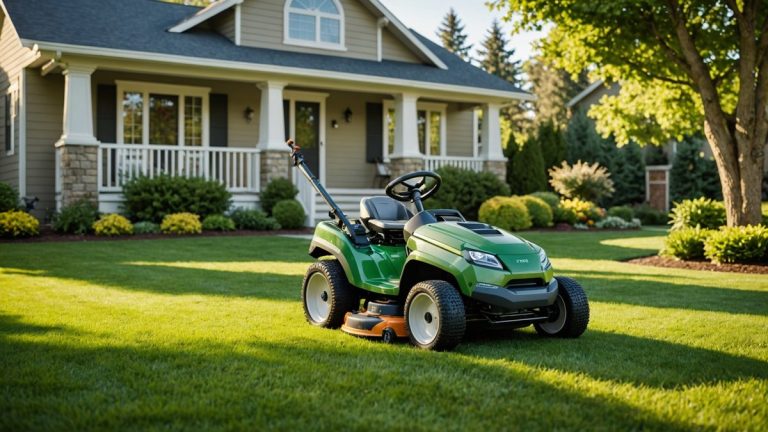
The future of lawn care is here, and it’s autonomous. Forget tedious weekend chores; Robotic lawn mowers are rapidly becoming the must-have gadget for homeowners and businesses alike. A new report projects the global robotic lawn mower market to surge to a staggering USD 3.66 billion by 2032, signaling a massive shift in how we maintain our green spaces.
The Rise of Autonomous Mowing: Why Now?
Several factors are fueling this explosive growth. Firstly, advancements in sensor technology and AI have made these machines more reliable, efficient, and safe than ever before. Early models struggled with navigation and obstacles, leading to patchy cuts and frustrating user experiences. Today’s robotic lawn mowers boast sophisticated GPS, obstacle detection systems (often using ultrasonic or camera-based sensors), and intelligent mowing algorithms that ensure comprehensive coverage. This has significantly reduced the learning curve and increased user satisfaction.
Secondly, the growing demand for convenience and time-saving solutions plays a significant role. In our increasingly busy lives, the thought of outsourcing lawn care to a robot is incredibly appealing. Imagine reclaiming your weekends while your lawn remains impeccably maintained. This is particularly attractive to homeowners with larger properties or those who struggle with the physical demands of traditional mowing.
Finally, environmental concerns are also contributing to the trend. Electric robotic lawn mowers produce zero emissions during operation, offering a greener alternative to gas-powered machines. Many models are also incredibly quiet, reducing noise pollution in residential areas. Combined, these factors have created a perfect storm for the rapid adoption of robotic lawn mowers.
Key Features Driving Market Growth
Beyond basic mowing, manufacturers are constantly innovating to enhance the capabilities of robotic lawn mowers. Here are a few features to watch out for:
- Smart Home Integration: Many models seamlessly integrate with smart home ecosystems like Amazon Alexa and Google Assistant, allowing users to control their mower with voice commands. You can schedule mowing sessions, check the mower’s status, and even receive notifications when mowing is complete.
- GPS Tracking and Geofencing: GPS technology allows for precise navigation and the ability to define virtual boundaries, preventing the mower from straying into unwanted areas. This is particularly useful for properties with complex layouts or sensitive landscaping.
- Slope Handling: Newer models are designed to handle steeper slopes, expanding their applicability to a wider range of properties. Some can handle inclines of up to 45%, previously a major limitation.
- Cutting Height Adjustment: Remote control of the cutting height lets you easily adjust your lawn’s trim.
- Mulching Capabilities: Most robotic lawn mowers feature mulching capabilities, finely chopping grass clippings and returning them to the soil as a natural fertilizer. This reduces the need for chemical fertilizers and promotes a healthier lawn.
- Rain Sensors: Automatic return to charging station when rain is detected, protecting the mower and the lawn.
One notable example of advanced robotic mowing technology is the Husqvarna Automower 450XH. Priced around $3,500, it can manage lawns up to 1.25 acres, handle slopes up to 45%, and features GPS-assisted navigation and smart home integration. A more budget-friendly option is the Worx WR140 Landroid M, available for around $1,200. While it has a smaller mowing capacity (up to 0.25 acres) and less advanced features, it still provides reliable autonomous mowing at a more accessible price point. Comparing these models highlights the range of choices available to consumers based on their individual needs and budgets.
The Future of Robotic Lawn Care
Looking ahead, the robotic lawn mower market is poised for even greater innovation. Expect to see further advancements in AI, leading to more intelligent and adaptable mowers. Integration with weather forecasting services could allow mowers to proactively adjust mowing schedules based on anticipated rainfall. We may also see the development of robotic lawn care systems that incorporate other functionalities, such as weed control and fertilization, offering a complete autonomous lawn care solution.
Furthermore, as battery technology improves, we can anticipate longer run times and faster charging, enhancing the overall user experience. The decreasing costs of sensors and electronics will also make robotic lawn mowers more affordable, driving further market penetration. The emergence of sophisticated mapping and navigation systems will allow for tailored mowing strategies, prioritizing specific areas or avoiding sensitive landscaping features. It is expected that the average cost of robotic lawn mowers will decrease in the coming years, making them accessible to a wider range of consumers.
Ultimately, the future of lawn care is undoubtedly robotic. As technology continues to advance and prices become more competitive, robotic lawn mowers will become an increasingly common sight in gardens and parks around the world.
Stay tuned to AI Mower News for the latest in autonomous lawn care technology.
What’s Driving the Growth
Several converging trends are accelerating robotic mower adoption beyond early-adopter hobbyists into mainstream consumer territory:
- Wire-free technology maturity — RTK-GPS and AI vision have eliminated the installation barrier that held back mass adoption
- Price compression — sub-$500 models from RoboUP, Worx, and others are making the technology accessible to average homeowners
- Labor shortages — commercial landscaping companies can’t hire enough workers, driving fleet automation
- Environmental regulation — gas mower bans in California and other states are pushing consumers toward electric alternatives
- Smart home integration — mowers that connect to Alexa, Google Home, and Home Assistant fit into existing connected home ecosystems
Frequently Asked Questions
Which brands will benefit most from market growth?
Brands with both residential and commercial product lines — like Husqvarna, Kress, and Mammotion — are positioned to capture growth across both segments. New entrants from the indoor robotics space (Ecovacs, Dreame, Roborock) bring massive R&D resources and existing distribution.
Will robotic mower prices continue to drop?
Yes. As manufacturing scales and competition intensifies, prices will continue to fall. The sub-$500 category barely existed two years ago — by 2028, we expect quality wire-free mowers under $400. However, premium features (advanced AI, fleet management, multi-zone RTK) will maintain a high-end tier above $2,000.
Is now a good time to invest in a robotic mower?
If your current mowing situation is painful, yes. Waiting for prices to drop further means another season of manual mowing. The technology is mature enough for mainstream use right now. Our Independent Rankings and Buyer’s Guide can help you choose the right model.
How will market growth affect support quality?
This is the critical question. Rapid growth often strains manufacturer support infrastructure — longer warranty wait times, slower firmware updates, overwhelmed customer service. AiMowerNews is building our Reliability Database specifically to track whether manufacturers maintain support quality as they scale.
📰 Related Articles
🔗 Essential Resources
- 📖 Manual Finder — 51 brands, 195+ models
- 🤖 AI Support Assistant — instant troubleshooting
- 📐 Complete Guide to Robotic Mowers 2026
- 🏆 Independent Rankings 2026
- ⚠️ Buyer’s Guide: What Dealers Won’t Tell You

Author: AI Mow
Ai Mow is the editorial team behind Ai Mower News, dedicated to bringing you the latest news, reviews, and insights on robotic lawn mowers and smart gardening technology.