
Home Blog Page 38

Roborock Launches Smart AI Lawn Mower for Home Automation

0

Imagine a world where the same intelligence that keeps your floors spotless now tackles your lawn with equal precision. Roborock, the brand synonymous with cutting-edge smart home robotics, has officially stepped into the great outdoors with its first robotic mower. This isn’t just another autonomous lawn mower—it’s a bold declaration that the future of yard care is here, blending Roborock’s signature smarts with the rugged demands of outdoor maintenance.

Roborock Enters the Robotic Mower Arena

Roborock’s foray into robot lawn mowers marks a significant moment for both the brand and the industry. Known for its high-performance robot vacuums and mops, Roborock is leveraging its expertise in navigation, obstacle avoidance, and smart home integration to redefine what a robotic mower can do. This move puts Roborock in direct competition with established players like Husqvarna, Worx, and Gardena, but with a unique edge: a deep understanding of AI-driven automation that has already won over millions of smart home enthusiasts.

The new Roborock robotic mower promises to deliver the same level of autonomy and intelligence that users expect from its indoor robots. Early indications suggest this mower will feature advanced path planning, multi-zone management, and seamless app control—hallmarks of Roborock’s indoor lineup. For homeowners already invested in the Roborock ecosystem, this could be the missing piece to a fully automated home.

Smart Mowing Meets Roborock’s Signature Tech

What sets Roborock’s autonomous lawn mower apart from the competition is its integration of proven smart-home technologies. Here’s how Roborock is bringing its indoor expertise outside:

  • Precision Navigation: Roborock’s robotic mower uses a combination of GPS, inertial measurement units (IMUs), and advanced sensors to map your lawn with centimeter-level accuracy. This ensures efficient, overlap-free mowing patterns that adapt to your yard’s unique layout.
  • Obstacle Avoidance: Leveraging the same AI-powered obstacle detection found in its robot vacuums, the mower can identify and navigate around trees, garden decorations, pet toys, and even small animals, reducing the risk of damage or entanglement.
  • Multi-Zone Management: Homeowners with complex yards can define multiple mowing zones via the Roborock app. The mower will automatically switch between zones, adjusting cutting heights and schedules as needed.
  • Smart Home Integration: The mower integrates seamlessly with Roborock’s existing app ecosystem, allowing users to control it alongside their other smart devices. Voice control via Alexa or Google Assistant is also expected, making it easy to start, stop, or check the mower’s status with a simple command.
  • Automatic Docking and Charging: Like its indoor counterparts, the robotic mower will return to its docking station to recharge when the battery runs low, ensuring it’s always ready for the next mowing session.
  • Weather Adaptability: The mower includes rain sensors and weather forecasting integration, so it can pause operations during wet conditions and resume when it’s safe to mow.

These features position Roborock’s offering as a serious contender in the smart mowing space, especially for tech-savvy users who prioritize connectivity and automation.

How It Stacks Up Against the Competition

The robotic mower market is crowded, with brands like Husqvarna (Automower series), Worx (Landroid), and Gardena (Sileno) leading the charge. So, how does Roborock’s entry compare?

  • Navigation and Smart Features: Roborock’s use of AI and multi-sensor fusion could give it an edge in navigation and obstacle avoidance, particularly in complex yards. Competitors like Husqvarna rely on boundary wires for navigation, while Roborock’s wireless approach may offer more flexibility.
  • Ecosystem Integration: For users already invested in Roborock’s smart home products, this mower offers a level of integration that competitors can’t match. Controlling your vacuum, mop, and lawn mower from a single app is a compelling proposition.
  • Price Point: While official pricing hasn’t been announced, Roborock’s indoor robots are known for offering premium features at competitive prices. If the brand applies the same strategy here, it could undercut some of the higher-end models from Husqvarna or Stihl.
  • Design and Build: Roborock’s sleek, minimalist design language is likely to carry over to its outdoor robot. Early images suggest a compact, modern look that stands out against the more utilitarian designs of some competitors.

That said, established brands have years of outdoor testing and refinement under their belts. Roborock will need to prove that its robot lawn mower can handle the rigors of outdoor use—from varying terrain to unpredictable weather—just as reliably as its indoor robots handle floors.

Early Impressions: What’s the Buzz?

Though full, hands-on reviews are still limited, early impressions from tech reviewers and industry insiders are largely positive. The consensus? Roborock’s autonomous lawn mower feels like a natural extension of its indoor lineup, with the same attention to detail and user experience.

One standout feature that’s generating excitement is the mower’s ability to create highly detailed lawn maps in the Roborock app. Users can customize mowing schedules, no-go zones, and even prioritize areas that need more frequent attention. This level of control is a step above many entry-level robotic mowers, which offer more basic programming.

There’s also praise for the mower’s quiet operation—a common benefit of robotic mowers in general, but Roborock seems to have fine-tuned the noise levels even further. This is a big plus for homeowners who want to keep their yard maintained without disturbing the peace.

Of course, there are still questions. How will the mower perform on steep slopes or uneven terrain? How durable is it in extreme heat or cold? And perhaps most importantly, will it justify its price tag compared to more established alternatives? Only time—and thorough testing—will tell.

What This Means for You

For homeowners considering a robot lawn mower, Roborock’s entry into the market is a game-changer. Here’s why:

  • More Choices: Roborock adds another high-quality option to the growing list of smart mowing solutions, giving consumers more ways to find a model that fits their needs and budget.
  • Ecosystem Synergy: If you’re already a Roborock user, this mower could simplify your smart home setup by consolidating controls in one app. It’s a compelling reason to stick with the brand.
  • Innovation Push: Competition drives innovation. Roborock’s arrival could push other brands to up their game, leading to better features, lower prices, or both for all autonomous lawn mower shoppers.
  • Tech-First Approach: Roborock’s focus on AI and smart features may appeal to users who prioritize cutting-edge tech over traditional mower performance. If you love gadgets and automation, this could be the mower for you.

For landscaping professionals, Roborock’s mower might not yet replace commercial-grade equipment, but it’s worth watching. As the brand refines its outdoor robots, we could see more rugged, high-capacity models tailored for pros in the future.

FAQ

Is Roborock’s robotic mower completely wireless?

Yes, Roborock’s robot lawn mower uses a wireless navigation system, unlike some competitors that require boundary wires to define mowing areas. This makes installation easier and allows for more flexible yard layouts.

Can I control the Roborock mower with my phone?

Absolutely. The mower is designed to be fully controllable via the Roborock app, where you can set schedules, adjust settings, monitor progress, and even receive notifications. Voice control via smart assistants like Alexa or Google Assistant is also expected.

How does Roborock’s mower compare to Husqvarna Automower?

While both offer advanced features, Roborock’s mower emphasizes smart home integration and AI-driven navigation, whereas Husqvarna’s Automower series is known for its durability and precision, especially on larger or more complex lawns. Roborock may appeal more to tech enthusiasts, while Husqvarna is often favored for its outdoor-specific refinements. Price and performance will ultimately depend on the specific models being compared.

Source: Original Article
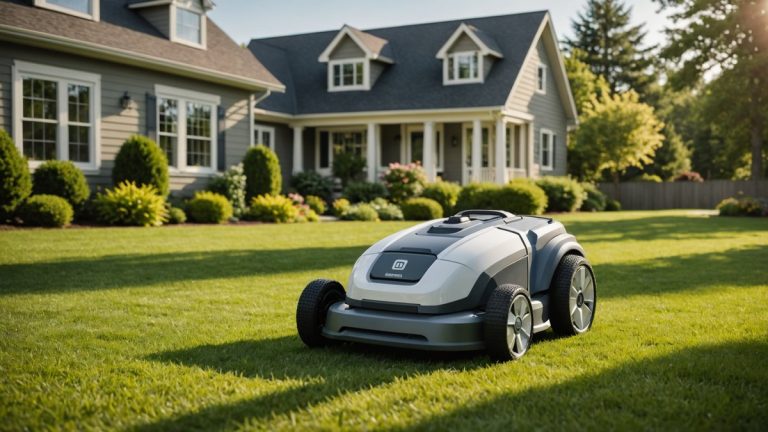
Husqvarna 420iQ Robotic Mower Drops 21% in Limited-Time Deal

0

Imagine waking up to a perfectly manicured lawn—every day—without lifting a finger. That’s the promise of robotic mowers, and right now, one of the most capable models, the Husqvarna Automower® 420iQ, is available at a rare 21% discount. For homeowners tired of weekend mowing chores or landscaping pros looking to automate part of their workload, this deal is a golden opportunity to step into the world of smart mowing without breaking the bank.

Husqvarna’s 420iQ is a mid-range autonomous lawn mower packed with features usually reserved for premium models, from GPS-assisted navigation to smart home integration. At this price point, it’s suddenly within reach for a broader audience. But is it the right robot lawn mower for your yard? Let’s break down what makes this deal—and this mower—worth considering.

Why the Husqvarna 420iQ Stands Out

The Automower® 420iQ isn’t just another robotic mower—it’s a workhorse designed for medium to large lawns (up to 0.8 acres). Unlike entry-level models that rely on random bounce-and-go patterns, the 420iQ uses GPS-assisted navigation to mow in systematic, efficient passes. This means fewer missed spots, a more consistent cut, and a lawn that looks professionally maintained.

What truly sets it apart, though, is its smart connectivity. The mower integrates with Husqvarna’s Automower® Connect app, allowing you to start, stop, or schedule mowing from your phone. It also supports voice control via Amazon Alexa and Google Assistant, so you can send it out for a quick trim with a simple voice command. For tech-savvy homeowners, this level of control is a game-changer.

And let’s not overlook the weather adaptability. The 420iQ automatically adjusts its mowing schedule based on grass growth rates, which it calculates using local weather data. If a rainstorm is forecasted, it’ll delay mowing to avoid compacting wet soil or clogging its blades. This kind of intelligence is what separates Husqvarna’s offering from competitors like Worx Landroid or Gardena Sileno, which often require more manual intervention.

Key Features and Specs

Here’s a quick rundown of what the Husqvarna 420iQ brings to the table:

  • Cutting Capacity: Handles lawns up to 0.8 acres (32,000 sq ft) with ease, making it ideal for most suburban homes.
  • Cutting Height: Adjustable from 0.8 to 2.4 inches, accommodating a variety of grass types and seasonal preferences.
  • Battery Life: Lithium-ion battery provides up to 70 minutes of runtime per charge, with automatic recharging when needed.
  • Navigation: GPS-assisted for precise, efficient mowing patterns—no more random zigzags.
  • Smart Features: Works with the Automower® Connect app, supports voice control (Alexa/Google), and includes weather-based scheduling.
  • Security: PIN code protection and an alarm system deter theft, while GPS tracking helps locate the mower if it goes missing.
  • Installation: Requires a boundary wire setup, but the process is straightforward for DIYers. Professional installation is also available.
  • Noise Level: Operates at just 58 dB, quiet enough to run at any hour without disturbing neighbors.

For comparison, the Worx Landroid M (a popular alternative) offers similar smart features but lacks GPS navigation, relying instead on a more basic random pattern. Meanwhile, the Gardena Sileno Life is quieter but has a smaller cutting capacity (up to 0.4 acres). The 420iQ strikes a balance between power, precision, and smart functionality.

Who Is This Deal For?

Not every homeowner needs a robot lawn mower, but the 420iQ’s current discount makes it a compelling option for a few key groups:

  • Busy Homeowners: If you’d rather spend weekends relaxing than pushing a mower, the 420iQ can handle the work for you. Its large cutting capacity means it’s suitable for most single-family homes.
  • Tech Enthusiasts: If you love smart home gadgets, the 420iQ’s app integration, voice control, and weather adaptability will feel right at home alongside your other connected devices.
  • Eco-Conscious Users: The mower is electric and emission-free, reducing your carbon footprint compared to gas-powered alternatives. Plus, it mulches grass clippings, returning nutrients to the soil.
  • Landscaping Pros: While not a commercial-grade model, the 420iQ is a great entry point for pros looking to test fleet automation. Its reliability and smart features can help streamline smaller jobs.

That said, the 420iQ may not be the best fit for everyone. If your lawn is smaller than 0.2 acres, you might save money with a more compact model like the Husqvarna Automower® 115H. On the other hand, if you have a sprawling estate (over 1 acre), you’ll need a heavy-duty model like the Husqvarna Automower® 450X or a commercial-grade robotic mower from brands like Mean Green or Graze.

What About the Competition?

The robotic mower market is heating up, with several brands vying for your attention. Here’s how the Husqvarna 420iQ stacks up against some of its top rivals:

  • Worx Landroid M: More affordable but lacks GPS navigation. Better for smaller lawns (up to 0.5 acres) and budget-conscious buyers.
  • Gardena Sileno Life: Extremely quiet and great for small to medium lawns, but its cutting capacity maxes out at 0.4 acres. Ideal for urban or suburban homes with limited space.
  • Robomow RS630: A heavy-duty option with a larger cutting width (22 inches vs. Husqvarna’s 9.4 inches), but it’s pricier and less agile in tight spaces.
  • Stihl iMOW RMI 632: Offers excellent cutting performance and smart features but comes with a higher price tag and a steeper learning curve for setup.

Husqvarna’s advantage lies in its balance of features, performance, and brand reputation. The company has been a leader in outdoor power equipment for decades, and its Automower® line is one of the most trusted in the autonomous lawn mower space. The 21% discount only sweetens the deal.

What This Means for You

At the end of the day, a robot lawn mower is an investment in time, convenience, and long-term lawn health. The Husqvarna 420iQ’s current discount makes it one of the most cost-effective ways to enter the world of smart mowing without sacrificing performance or features.

If you’ve been on the fence about automating your lawn care, now is the time to act. This deal won’t last forever, and once it’s gone, you’ll be back to paying full price—or worse, missing out on the joys of a self-maintaining lawn. For landscaping pros, this could also be a low-risk way to dip your toes into fleet automation and see how robotic mowers can complement your existing equipment.

Just remember: while the upfront cost might seem steep, a robotic mower pays for itself over time in saved labor, reduced fuel costs (if you’re switching from gas), and the added value of a consistently well-maintained lawn. Plus, with Husqvarna’s reputation for durability, you can expect years of reliable service.

FAQ

Is the Husqvarna 420iQ hard to install?

Installation requires setting up a boundary wire around your lawn, which can be a DIY project for most homeowners. Husqvarna provides clear instructions, and there are plenty of online tutorials to guide you. If you’re not comfortable with the process, professional installation is available through authorized dealers.

How does the Husqvarna 420iQ handle obstacles?

The 420iQ uses a combination of sensors and GPS to navigate around obstacles like trees, flower beds, and patio furniture. It’s designed to gently bump into objects, change direction, and continue mowing without causing damage to itself or your yard. For best results, clear large obstacles (like lawn chairs) before letting it loose.

Can the Husqvarna 420iQ mow in the rain?

While the 420iQ is weather-resistant, it’s not designed to mow in heavy rain. The mower’s smart scheduling feature will typically delay mowing if rain is forecasted, as wet grass can clog the blades and compact the soil. However, it can handle light drizzles without issue.

Source: Original Article

Robotic Mowers Boost Florida Lawn Health & Cut Maintenance Time

0

Imagine a lawn that stays lush, green, and perfectly manicured with half the effort—and a fraction of the water and fertilizer. That’s exactly what researchers at the University of Florida’s Institute of Food and Agricultural Sciences (UF/IFAS) discovered in a recent study on robotic mowers. Their findings confirm what robot lawn mower enthusiasts have long suspected: these autonomous workhorses don’t just save time—they actively improve lawn health while slashing maintenance demands. For homeowners in Florida’s challenging climate (and beyond), this could be a game-changer in the push toward smarter, more sustainable yard care.

Why Robotic Mowers Outperform Traditional Methods

The UF/IFAS study, published in the journal HortTechnology, compared the effects of autonomous lawn mowers to conventional rotary mowers on St. Augustinegrass—a popular turf variety in the Southeast. Over two years, researchers tracked metrics like turf quality, root depth, and weed suppression. The results were clear: lawns maintained by robotic mowers showed better overall health, with deeper root systems and reduced weed pressure compared to those cut by traditional mowers.

The secret? Frequency. Robotic mowers like those from Husqvarna Automower, Worx Landroid, or Robomow operate on a near-daily schedule, trimming just a fraction of the grass blade each time. This “little and often” approach mimics the natural grazing patterns that turf grasses evolved to thrive under. In contrast, weekly mowing with a gas or push mower can stress the grass, leading to shallow roots and increased susceptibility to drought and disease.

Key Findings: Healthier Lawns, Less Work

The study’s most compelling takeaways highlight why smart mowing is more than just a convenience—it’s a lawn care upgrade. Here’s what stood out:

  • Improved Turf Density: Robotic-mowed lawns had 10–15% greater turf coverage, crowding out weeds naturally and reducing the need for herbicides.
  • Deeper Roots: Frequent, light cuts encouraged roots to grow up to 20% deeper, improving drought resistance—a major plus for Florida’s sandy soils and seasonal dry spells.
  • Reduced Fertilizer Needs: The clippings from robotic mowers are finely mulched and left on the lawn, returning nutrients to the soil. This reduced fertilizer requirements by up to 30% in the study.
  • Lower Water Usage: Thanks to stronger root systems, lawns required less irrigation to maintain color and vigor, a critical benefit in water-conscious regions.
  • Minimal Maintenance: No more weekend chores—once installed, these robot lawn mowers handle the work autonomously, even in rain (most models are weatherproof).

Florida’s Climate: A Perfect Test Case

Florida’s humid subtropical climate—with its heavy rainfall, intense heat, and persistent pests—is a proving ground for lawn care tech. Traditional mowing often struggles here: thick thatch buildup, fungal diseases, and invasive weeds like dollarweed thrive in poorly managed turf. The UF/IFAS study found that autonomous lawn mowers mitigated many of these issues by:

  • Preventing Thatch: Frequent mulching breaks down clippings quickly, reducing thatch accumulation that can suffocate grass.
  • Deterring Pests: A consistently trimmed lawn is less hospitable to pests like chinch bugs, which prefer overgrown, stressed turf.
  • Adapting to Growth Spikes: During Florida’s rainy season, when grass can grow inches in a week, robotic mowers adjust their schedule to keep up—something most homeowners can’t (or won’t) do manually.

For professional landscapers, these benefits translate to lower labor costs and happier clients. Companies like GreenPal and Lawn Pro are already integrating robotic mowers into their fleets to handle repetitive maintenance, freeing up crews for higher-value tasks like landscaping and tree care.

How Robotic Mowers Stack Up Against Competitors

Not all robotic mowers are created equal, but the study’s findings apply broadly across leading models. Here’s how top brands compare in terms of the health benefits highlighted by the research:

  • Husqvarna Automower: Known for its precise cutting and smart navigation, this line excels in large lawns and complex landscapes. The Automower 450X even uses GPS and cellular connectivity for remote monitoring—a boon for pros managing multiple properties.
  • Worx Landroid: A budget-friendly option with AI-powered mowing and automatic rain sensors. Its cut-to-edge feature ensures no strips of unmowed grass along borders, a common complaint with older models.
  • Robomow: Offers heavy-duty models for commercial use, with wider cutting decks (up to 28 inches) to cover more ground quickly. Ideal for landscapers servicing HOAs or large estates.
  • Ecovacs Goat G1: A newer entrant with obstacle-avoidance cameras and app-based zone control, letting users prioritize high-traffic areas for more frequent mowing.

While the study didn’t test specific brands, the underlying principle—frequent, precise cuts—is a hallmark of all high-quality robot lawn mowers. For homeowners, the choice often comes down to lawn size, budget, and desired features (like smartphone control or voice assistant integration).

What This Means for You

So, should you ditch your gas mower for a robotic one? If you’re in a warm climate like Florida—or anywhere with a long growing season—the answer is a resounding yes. Here’s the bottom line:

  • For Homeowners: Investing in a robotic mower isn’t just about saving time; it’s about building a healthier lawn with less effort, water, and chemicals. The upfront cost (typically $1,000–$3,500) is offset by long-term savings on maintenance, fertilizer, and even your water bill.
  • For Landscapers: Adding autonomous lawn mowers to your fleet can reduce labor costs by 40–60% for routine mowing jobs. Clients will notice the difference in turf quality, giving you a competitive edge.
  • For the Environment: Robotic mowers are electric, producing zero emissions. Combined with reduced fertilizer and water use, they’re a sustainable choice for eco-conscious property owners.

Of course, robotic mowers aren’t a magic bullet. They require proper installation (including boundary wires or GPS mapping for some models) and occasional blade sharpening. But as the UF/IFAS study shows, the payoff—a greener, denser, more resilient lawn—is well worth the effort.

FAQ: Robotic Mowers and Lawn Health

Do robotic mowers work on all grass types?

Most robot lawn mowers perform best on common turf grasses like St. Augustine, Bermuda, Zoysia, and Kentucky Bluegrass. However, they may struggle with very tall or coarse grasses (e.g., fescue or ornamental varieties). Always check the manufacturer’s recommendations for your specific grass type.

How often do robotic mowers need to run to see health benefits?

The study found that daily or near-daily mowing delivered the best results for lawn health. Most robotic mowers are programmed to run 3–5 times per week during peak growing seasons, adjusting automatically based on grass growth rates.

Are robotic mowers worth the investment for small lawns?

Even for small lawns (under 5,000 sq ft), a robotic mower can be a smart investment if you value time savings and lawn health. Models like the Worx Landroid M or Husqvarna Automower 115H are designed for compact spaces and offer many of the same benefits as their larger counterparts.

Source: Original Article

Roborock RockNeo Q110H Launches in US with 10% Discount

0

The robotic mower market just got a little more competitive. Roborock, a brand best known for its vacuuming and mopping robots, has officially entered the U.S. autonomous lawn mower space with the RockNeo Q110H—and it’s arriving with a limited-time 10% discount to sweeten the deal. For homeowners tired of weekend mowing chores or pros evaluating new smart mowing options, this launch signals another shift toward automation in yard care, with a fresh player challenging established names like Husqvarna, Worx, and Gardena.

Roborock Expands Beyond Floors to Lawns

Roborock has built a reputation on precise, app-controlled indoor robots, and the RockNeo Q110H brings that same philosophy outdoors. This isn’t the company’s first foray into lawn care—it previously released robotic mowers in select international markets—but it is its first widely available model for U.S. consumers. The move reflects growing demand for robot lawn mowers that can handle complex yards with minimal human intervention.

Unlike some competitors that rely on perimeter wires, the Q110H uses a wire-free approach with RTK (Real-Time Kinematic) GPS for high-precision navigation. This is a key differentiator, as it allows the mower to map and adapt to yard layouts without the hassle of burying boundary cables—a feature that will appeal to DIY homeowners and landscaping pros alike.

Key Features and Specs: What Sets the Q110H Apart

The Roborock RockNeo Q110H packs several standout features designed to simplify lawn maintenance. Here’s what you need to know:

  • RTK GPS Navigation: Enables centimeter-level accuracy for efficient, wire-free operation—ideal for yards up to 1.25 acres (5,400 m²).
  • Multi-Zone Management: Supports up to 5 separate mowing zones, perfect for properties with gardens, patios, or other obstacles.
  • App Control & Automation: Schedule mowing sessions, adjust cutting height (20–60mm), and monitor progress via the Roborock app (iOS/Android).
  • Obstacle Avoidance: Uses ultrasonic sensors and AI to detect and navigate around pets, toys, or landscaping features.
  • All-Terrain Wheels: Tackles slopes up to 35% (about 20 degrees), making it suitable for hilly or uneven lawns.
  • Battery & Runtime: 29V lithium-ion battery with up to 150 minutes of runtime per charge (covers ~2,700 m² on a single charge).
  • Weather Resistance: IPX6 waterproof rating means it can handle rain, but it will automatically return to its dock if weather conditions worsen.
  • Security: PIN code lock and anti-theft alarm provide peace of mind.

For comparison, the Q110H’s wire-free design and RTK GPS put it in direct competition with high-end models like the Husqvarna Automower 450X or Worx Landroid Vision, though Roborock’s pricing may undercut some of these alternatives—especially with the current 10% launch discount.

Who Is the RockNeo Q110H For?

This autonomous lawn mower isn’t just for tech enthusiasts. It’s a strong contender for:

  • Homeowners with medium to large yards: The 1.25-acre capacity and multi-zone support make it versatile for suburban properties.
  • DIYers who dislike perimeter wires: The RTK GPS system eliminates the need for buried cables, a common pain point with older robotic mower models.
  • Busy professionals or frequent travelers: App-based scheduling means your lawn stays trimmed even when you’re not home.
  • Landscaping pros testing automation: While not a commercial-grade unit, the Q110H could be a cost-effective way for small crews to evaluate smart mowing efficiency.

That said, it may not be the best fit for very small yards (under 0.25 acres), where a simpler model like the Gardena Sileno Minimo could suffice, or for ultra-steep properties requiring a mower with a higher slope rating (e.g., the Husqvarna Automower 430X, which handles 45% inclines).

Pricing and Availability

The Roborock RockNeo Q110H is now available in the U.S. through Roborock’s website and select retailers, with an MSRP of $1,499. As part of its launch promotion, Roborock is offering a 10% discount, bringing the price down to $1,349.10—a competitive entry point for a mower with RTK GPS and multi-zone capabilities. The package includes the mower, charging dock, boundary markers (for optional virtual fencing), and installation accessories.

Roborock is also offering a free installation kit (a $99 value) for early buyers, which includes stakes and other tools to help set up virtual boundaries if needed. This is a nice touch, as professional installation can add hundreds to the cost of other robot lawn mowers.

Bottom Line: What This Means for You

The RockNeo Q110H is a bold step for Roborock, and its arrival in the U.S. gives homeowners another compelling option in the autonomous lawn mower market. Its wire-free design, RTK GPS precision, and multi-zone flexibility make it a standout for tech-savvy users who want a low-maintenance, high-tech solution. The 10% launch discount sweetens the deal, but even at full price, it’s priced competitively against similar models from Husqvarna and Worx.

For current robotic mower owners, this launch signals that the market is heating up, with more brands investing in smarter, more user-friendly designs. For newcomers, it’s a chance to jump into smart mowing with a brand that’s already proven its chops in robotics. Just be sure to measure your yard and check for compatibility—RTK GPS works best in open areas with clear satellite signals.

If you’ve been waiting for a wire-free, app-controlled mower that doesn’t break the bank, the Q110H is worth a close look. But act fast: that 10% discount won’t last forever.

FAQ

Does the Roborock RockNeo Q110H require a perimeter wire?

No! The Q110H uses RTK GPS for navigation, so it doesn’t need a physical perimeter wire. However, you can set up virtual boundaries using the included markers if your yard has specific areas to avoid.

How does the Q110H compare to the Husqvarna Automower 450X?

Both are wire-free robot lawn mowers with multi-zone support, but the Q110H is slightly more affordable and includes built-in obstacle avoidance sensors. The Automower 450X, however, has a slightly higher slope rating (40% vs. 35%) and is part of Husqvarna’s well-established ecosystem, which may appeal to long-term users.

Can the Q110H handle multiple yards or separate lawn areas?

Yes! The Q110H supports up to 5 mowing zones, making it ideal for properties with front/back yards, side lawns, or other divided spaces. You can customize schedules and cutting heights for each zone via the app.

Source: Original Article

Roborock Launches RockNeo Q110H: Smart Mowing Meets AI Precision

0

Imagine a world where the same AI precision that navigates your robot vacuum inside the house could now tackle your lawn—seamlessly, efficiently, and without a drop of sweat. That vision is inching closer to reality as Roborock, a leader in smart home robotics, steps into the outdoor arena with its debut robot lawn mower, the RockNeo Q110H. This isn’t just another autonomous lawn mower hitting the market; it’s a bold statement that the future of yard care lies in smart mowing technology, blending the indoor expertise of Roborock with the demands of outdoor landscaping.

Roborock’s Leap from Floors to Lawns

Roborock has long been synonymous with high-performance robot vacuums and mops, earning a reputation for intelligent navigation, obstacle avoidance, and user-friendly automation. With the RockNeo Q110H, the company is leveraging that same expertise to redefine what a robotic mower can do. This move signals a growing trend: tech brands expanding their smart home ecosystems to include outdoor spaces, where automation has traditionally lagged behind indoor innovations.

The Q110H isn’t Roborock’s first foray into outdoor tech—its S8 Pro Ultra vacuum can tackle decks and patios—but it is the brand’s first dedicated autonomous lawn mower. The timing is ripe, as homeowners increasingly seek time-saving, eco-friendly alternatives to traditional gas-powered mowers. Competitors like Husqvarna Automower, Worx Landroid, and Gardena Sileno have already carved out niches in the robot lawn mower market, but Roborock’s entry could shake things up with its focus on AI-driven efficiency and integration with its existing smart home platform.

Key Features: What Sets the RockNeo Q110H Apart?

So, what does Roborock bring to the table with its first robotic mower? Early details suggest a device packed with the brand’s signature smarts, tailored for the complexities of outdoor terrain. Here’s what we know so far:

  • AI-Powered Navigation: Like its indoor counterparts, the Q110H uses advanced sensors and algorithms to map your yard, avoid obstacles (think garden gnomes, pet toys, or wayward tree roots), and adapt to changing conditions. Expect precision that minimizes missed spots or redundant passes.
  • Multi-Zone Management: The mower can handle multiple lawn zones, ideal for properties with separate front and back yards or intricate landscaping. This is a standout feature compared to entry-level robot lawn mowers that often struggle with complex layouts.
  • Smart Connectivity: Integration with the Roborock app means you can control, schedule, and monitor the Q110H from your phone. Receive alerts for low battery, blade wear, or if the mower gets stuck. Some competitors, like Husqvarna, offer similar app functionality, but Roborock’s ecosystem could provide a more seamless experience for existing users.
  • Weather Adaptability: The Q110H is designed to handle light rain and varying temperatures, a must for regions with unpredictable weather. Unlike some autonomous lawn mowers that retreat to their docks at the first sign of drizzle, this model aims to keep mowing in less-than-ideal conditions.
  • Eco-Friendly Operation: As with most robotic mowers, the Q110H is fully electric, producing zero emissions and operating quietly—perfect for early morning or late evening mowing without disturbing the neighbors.
  • Automatic Charging: When the battery runs low, the mower returns to its docking station to recharge, then resumes where it left off. This is a standard feature in high-end models but a game-changer for hands-off lawn care.

How It Compares to the Competition

The robot lawn mower market is becoming crowded, with options ranging from budget-friendly models to premium, feature-packed machines. So where does the RockNeo Q110H fit in?

For starters, it’s likely to sit in the mid-to-high-end tier, competing directly with the likes of the Husqvarna Automower 430X or Gardena Sileno Life. These models are known for their reliability, smart features, and ability to handle medium to large yards. Roborock’s advantage may lie in its AI navigation, which could outperform traditional boundary-wire-dependent mowers in terms of adaptability and obstacle avoidance.

Unlike some entry-level autonomous lawn mowers (e.g., the Worx Landroid M), the Q110H appears to skip the boundary wire requirement, relying instead on GPS and sensor-based mapping. This wire-free approach is a growing trend, seen in models like the Mammotion LUBA, and offers greater flexibility for homeowners who don’t want to bury wires around their yard.

However, Roborock’s lack of experience in outdoor mowing could be a wild card. Brands like Husqvarna and Stihl have decades of lawn care expertise behind their robotic mowers, which might give them an edge in durability and performance on tougher terrains. That said, Roborock’s track record in indoor robotics suggests it won’t cut corners on quality.

Potential Challenges and Considerations

No robot lawn mower is without its limitations, and the RockNeo Q110H will likely have a few hurdles to overcome. Here are some factors to keep in mind:

  • Price Point: Roborock’s indoor robots aren’t cheap, and the Q110H is expected to follow suit. If it lands in the $1,500–$2,500 range, it may price out budget-conscious buyers who could opt for simpler models like the Worx Landroid (starting around $800).
  • Yard Size Limitations: While details are scarce, most mid-range autonomous lawn mowers max out at around 0.5–1 acre per charge. Larger properties may require multiple units or a high-end model like the Husqvarna Automower 450X.
  • Learning Curve: As with any smart device, there’s a setup process. Homeowners will need to map their yard, set mowing schedules, and possibly adjust settings for optimal performance. Tech-savvy users will thrive, but others might find it overwhelming at first.
  • Terrain Adaptability: Steep slopes, thick grass, or uneven ground can challenge even the best robotic mowers. The Q110H’s performance on these terrains remains to be seen, but Roborock’s indoor navigation prowess suggests it could handle moderate slopes well.

What This Means for You

The arrival of the RockNeo Q110H is a big deal for the smart mowing industry. For homeowners, it means another high-quality option in the growing robot lawn mower market, particularly if you’re already invested in Roborock’s ecosystem. The Q110H’s AI-driven features could make it a standout for those prioritizing precision, connectivity, and ease of use.

For landscaping professionals, this is a sign that the autonomous lawn mower market is maturing. While the Q110H is likely targeted at residential users, its technology could pave the way for commercial-grade models in the future. Pros evaluating fleet automation should keep an eye on how Roborock’s outdoor division evolves.

And for the industry as a whole, Roborock’s entry validates the demand for smarter, more connected outdoor tools. As more tech brands throw their hats into the ring, we can expect rapid advancements in robotic mower capabilities—better navigation, longer battery life, and even more seamless integration with smart home systems.

If you’re in the market for a robot lawn mower in 2024, the RockNeo Q110H is definitely one to watch. Keep an eye out for hands-on reviews and real-world testing as it becomes available. For now, it’s a promising glimpse into the future of autonomous lawn care.

FAQ

Will the RockNeo Q110H work with my existing Roborock devices?

Yes! One of the biggest advantages of the Q110H is its integration with the Roborock app. If you already own a Roborock vacuum or mop, you’ll be able to control all your devices from a single platform, streamlining scheduling and monitoring.

Does the RockNeo Q110H require a boundary wire?

Early indications suggest the Q110H uses a wire-free navigation system, relying on GPS and sensors instead of physical boundaries. This is a major plus for homeowners who want a cleaner setup, though it may require more initial configuration to define mowing zones.

How does the RockNeo Q110H handle obstacles like pet waste or toys?

Roborock’s indoor robots are praised for their obstacle avoidance, and the Q110H is expected to bring that same intelligence outdoors. It should detect and avoid larger obstacles, but like most autonomous lawn mowers, it’s wise to clear your yard of small debris or pet waste before mowing to avoid clogs or damage.

Source: Original Article

Robot Lawn Mower Showdown: Best to Worst Brands Ranked

0

Imagine a perfectly manicured lawn without lifting a finger—sounds like a dream, right? The rise of robotic mowers has turned this fantasy into reality for homeowners and landscaping pros alike. But with so many brands vying for your attention, how do you separate the best from the rest? We’ve cut through the noise to rank the top autonomous lawn mower brands, so you can make an informed decision for your yard—or your business.

Why Robotic Mowers Are a Game-Changer

The robot lawn mower market has exploded in recent years, driven by advancements in AI, battery tech, and smart home integration. These machines don’t just save you time—they also promote healthier lawns by mowing frequently and mulching clippings, which act as natural fertilizer. For commercial landscapers, they offer a way to automate routine maintenance, freeing up crews for higher-value tasks. But not all models are created equal. Performance, reliability, and smart features vary widely, which is why choosing the right brand matters.

How We Ranked the Brands

To determine the best robotic mower brands, we evaluated key factors like cutting performance, battery life, navigation systems, smart connectivity, durability, and customer support. We also considered real-world user feedback, warranty coverage, and how well each brand caters to different yard sizes and terrains. Brands that offer seamless smart mowing integration (like app controls, voice assistants, and multi-zone management) scored higher, as did those with robust dealer networks for service and support.

Top Robotic Mower Brands: From Good to Best

Here’s our breakdown of the leading players in the autonomous lawn mower space, ranked from solid performers to the cream of the crop.

5. Yard Force

Yard Force offers budget-friendly robot lawn mowers that are great for small to medium yards. While they lack some of the advanced features of premium brands, they’re a solid entry point for homeowners dipping their toes into automation. Expect basic app controls and decent cutting performance, but don’t count on them for complex landscapes or steep slopes.

Best for: Budget-conscious buyers with simple, flat lawns.

4. Gardena

Gardena’s robotic mowers strike a balance between affordability and performance. Their models, like the Sileno series, are known for quiet operation and reliable cutting. Gardena’s app is user-friendly, and their mowers handle moderate slopes and multi-zone yards well. However, they may struggle with very large or heavily obstacled lawns compared to higher-end brands.

Best for: Mid-range buyers who want a dependable, no-fuss autonomous lawn mower.

3. Worx

Worx has carved out a niche with its Landroid series, which stands out for its smart features and customization options. These mowers offer AI-powered navigation, voice control (via Alexa or Google Assistant), and even anti-theft measures like GPS tracking. Worx models are great for tech-savvy users who want fine-tuned control over their mowing. That said, their battery life and cutting width may not match the top-tier brands for large properties.

Best for: Tech enthusiasts and homeowners who love smart home integration.

2. Husqvarna

Husqvarna is a powerhouse in the robotic mower industry, with a reputation for durability and cutting precision. Their Automower® line is packed with features like GPS-assisted navigation, automatic weather adjustments, and robust all-terrain capabilities. Husqvarna mowers are built to last, with commercial-grade components that appeal to both homeowners and landscaping pros. The main downside? They come with a premium price tag.

Best for: Homeowners with large or complex lawns, and pros looking for fleet-worthy reliability.

1. Stihl

Taking the top spot is Stihl, whose iMow series sets the gold standard for autonomous lawn mowers. Stihl combines German engineering with cutting-edge tech, delivering unmatched performance, efficiency, and ease of use. Their mowers feature adaptive cutting systems, ultra-quiet operation, and some of the most intuitive smart controls on the market. Stihl also excels in customer support and dealer networks, making it a favorite among professionals. While they’re not cheap, the investment pays off in longevity and lawn quality.

Best for: Discerning homeowners and commercial users who demand the best.

Key Specs to Compare

When evaluating robotic mowers, keep an eye on these critical specs:

  • Cutting Width: Wider decks (e.g., 20-24 inches) cover more ground faster, ideal for large yards.
  • Battery Life: Look for lithium-ion batteries with 60-120 minutes of runtime for uninterrupted mowing.
  • Navigation: GPS, gyroscopes, and sensors improve efficiency and obstacle avoidance.
  • Slope Handling: Models like Husqvarna and Stihl tackle slopes up to 45%, while budget options may max out at 20%.
  • Smart Features: App controls, voice assistants, and multi-zone programming add convenience.
  • Warranty: Top brands offer 2-5 year warranties, with some including theft protection.

Alternatives and Competitors

While the brands above lead the pack, there are other notable players worth considering:

  • Mammotion (by Segway): Known for their Luba series, these mowers offer AWD systems for superior traction on steep or uneven terrain.
  • Robomow: A pioneer in the industry, Robomow’s models are rugged and great for large, open areas.
  • ECOVACS: Best known for robot vacuums, ECOVACS brings its automation expertise to lawn care with user-friendly, app-driven mowers.

For commercial landscapers, brands like Husqvarna and Stihl offer fleet management tools to monitor and control multiple robot lawn mowers simultaneously—a game-changer for efficiency.

What This Means for You

For Homeowners:

If you’re new to smart mowing, start with a mid-range brand like Gardena or Worx to test the waters. For those with larger or more complex lawns, investing in a Husqvarna or Stihl will save you time and hassle in the long run. Consider your yard’s size, terrain, and your budget when choosing. And remember: a higher upfront cost often translates to better durability and features that pay off over time.

For Landscaping Pros:

Automating part of your mowing fleet with autonomous lawn mowers can significantly reduce labor costs and improve efficiency. Brands like Husqvarna and Stihl offer commercial-grade models with fleet management capabilities, making them ideal for integrating into your business. Start with a pilot program on a few properties to gauge the impact on your workflow before scaling up.

FAQ

Are robotic mowers worth the investment?

Absolutely—if you value your time and want a healthier lawn. Robotic mowers pay for themselves over time by reducing labor costs (or your own sweat equity) and promoting lawn health through frequent, precise cutting. For commercial users, the ROI is even clearer, as they can reallocate crew time to more profitable tasks.

Can a robotic mower handle slopes and obstacles?

It depends on the model. Budget-friendly options may struggle with slopes over 20% or complex obstacles. However, premium brands like Husqvarna and Stihl are designed to tackle slopes up to 45% and navigate around trees, flower beds, and other obstacles with ease. Always check the manufacturer’s specs for slope and obstacle handling before purchasing.

How do I maintain my robotic mower?

Maintenance for robot lawn mowers is minimal compared to traditional mowers, but it’s not zero. Regularly clean the underside to prevent grass buildup, check and replace blades as needed (typically every 2-3 months), and ensure the battery is charged. Some models also require occasional software updates to keep the smart features running smoothly. Most brands provide detailed maintenance guides in their apps or user manuals.

Source: Original Article

MOVA ViAX 500 Review: AI Robot Mower for 500 m² Gardens

0

Imagine a robotic mower that doesn’t just cut your lawn—it learns it. The new MOVA ViAX 500 is here to redefine smart mowing for small to medium gardens, packing AI-driven efficiency into a compact, user-friendly design. If you’ve been waiting for an autonomous lawn mower that’s as clever as it is capable, this might be the model that finally makes you ditch the push mower for good.

Meet the MOVA ViAX 500: AI-Powered Precision for Smaller Lawns

The MOVA ViAX 500 is the latest entry in the growing field of robot lawn mowers, but it stands out by targeting a specific niche: gardens up to 500 square meters. Unlike bulkier models designed for sprawling estates, the ViAX 500 is built for homeowners with modest but meticulously maintained lawns. Its AI-driven navigation system isn’t just a marketing gimmick—it actively maps your yard, adapts to obstacles, and optimizes its mowing pattern over time for a consistently pristine cut.

What makes this robotic mower particularly intriguing is its balance of advanced tech and accessibility. MOVA has clearly prioritized ease of use, from the straightforward setup process to the intuitive companion app that lets you monitor progress, adjust schedules, and even receive maintenance alerts. For those who’ve been intimidated by the complexity of earlier autonomous lawn mowers, the ViAX 500 feels like a breath of fresh air.

Key Features That Set the ViAX 500 Apart

So, what exactly does the MOVA ViAX 500 bring to the table? Here’s a breakdown of its standout features:

  • AI Navigation: Uses advanced algorithms to map your lawn, avoid obstacles, and adapt its mowing strategy for efficiency. Unlike random-pattern mowers, it learns your yard’s layout over time.
  • 500 m² Coverage: Perfect for small to medium gardens, making it ideal for urban or suburban homeowners who don’t need (or want) a heavy-duty model.
  • Smart Connectivity: Wi-Fi and Bluetooth enabled, with a companion app that offers remote control, scheduling, and real-time status updates. You can start, stop, or pause mowing from your phone.
  • Multi-Zone Support: Capable of handling up to 3 separate zones, which is a rare feature in this price range. This is great for yards with distinct areas (e.g., front lawn, back lawn, side garden).
  • Weather Adaptability: Rain sensors pause operation during downpours, and the mower resumes automatically when conditions improve. No more soggy, uneven cuts.
  • Quiet Operation: At just 58 dB, it’s quieter than most gas mowers—ideal for early morning or late evening mowing without disturbing the neighbors.
  • Battery Life: A 29V lithium-ion battery provides up to 60 minutes of runtime per charge, with a 90-minute fast-charging time. The mower returns to its docking station automatically when the battery runs low.
  • Cutting System: Features three pivoting razor-sharp blades that deliver a clean, mulched cut. The cutting height is adjustable from 20mm to 50mm, accommodating different grass types and seasonal needs.

For comparison, models like the Husqvarna Automower 310 or Worx Landroid M also cater to small lawns, but the ViAX 500’s AI navigation and multi-zone support give it an edge in flexibility and intelligence.

Performance in the Real World: How Does It Hold Up?

On paper, the ViAX 500’s specs are impressive, but how does it perform in day-to-day use? Early tests and user feedback suggest that this robot lawn mower lives up to its promises—with a few caveats.

One of the most praised aspects is its smart mowing pattern. Unlike older robotic mowers that rely on random or spiral patterns, the ViAX 500’s AI-driven approach ensures even coverage and minimal missed spots. It’s particularly effective in complex lawns with tight corners, flower beds, or trees, where lesser models might struggle. The ability to handle multiple zones is another highlight, allowing it to tackle separate areas of your yard without manual intervention.

The companion app is another strong suit. It’s well-designed and responsive, offering features like geofencing (to keep the mower within bounds) and custom scheduling. You can even set up “no-go zones” to protect delicate plants or garden decor. However, some users have noted that the app’s initial setup can be a bit finicky, especially if your Wi-Fi signal is weak in parts of your yard.

Battery life is adequate for its target lawn size, but the 60-minute runtime might require multiple charging cycles for larger or more complex gardens. On the plus side, the fast-charging feature minimizes downtime. The cutting performance is excellent, with the mulching blades leaving a fine, even finish that promotes a healthier lawn. The adjustable cutting height is a nice touch, though it doesn’t go as low as some competitors (e.g., the Robomow RS630 offers a 15mm minimum height).

One potential drawback is the ViAX 500’s struggle with very steep slopes. While it can handle inclines up to 20%, it’s not as capable as models like the Gardena Sileno Life, which can tackle slopes up to 35%. If your yard has significant elevation changes, you may need to consider alternatives or manually mow those areas.

Installation and Maintenance: What to Expect

Setting up the MOVA ViAX 500 is relatively straightforward, but it does require some initial effort. The first step is laying the boundary wire, which defines the mowing area and keeps the autonomous lawn mower from venturing into off-limits zones. MOVA includes 150 meters of wire in the box, which should be sufficient for most 500 m² lawns. The wire needs to be pinned down or buried shallowly to avoid being moved by foot traffic or pets.

Once the boundary wire is in place, you’ll need to install the docking station, which serves as both a charging hub and a home base for the mower. The station should be placed on a flat, level surface near a power outlet. The ViAX 500 then performs an initial calibration run to map your lawn, which can take a few hours depending on the complexity of your yard.

Maintenance is minimal but important. The blades should be checked and replaced every few months, depending on usage. The underside of the mower should be cleaned regularly to prevent grass buildup, which can affect performance. The companion app will remind you of these tasks, which is a helpful touch for those new to robotic mowers.

One maintenance consideration is the battery. Like most lithium-ion batteries, the ViAX 500’s battery will degrade over time, typically lasting 2-3 years before needing replacement. MOVA offers replacement batteries, but it’s worth factoring this into the long-term cost of ownership.

What This Means for You

The MOVA ViAX 500 is a compelling option for homeowners with small to medium lawns who want a smart mowing solution that’s both intelligent and easy to use. Its AI navigation, multi-zone support, and user-friendly app make it a standout in the crowded robot lawn mower market. However, it’s not without limitations—its slope handling and battery runtime may not suit every yard.

If you’re comparing it to other models, here’s a quick rundown:

  • vs. Husqvarna Automower 310: The ViAX 500 offers better AI navigation and multi-zone support, but the Automower 310 has a slightly longer battery life and better slope handling.
  • vs. Worx Landroid M: The ViAX 500’s app is more polished, but the Landroid M is often more affordable and has a similar feature set.
  • vs. Gardena Sileno Life: The Sileno Life handles steeper slopes and has a larger coverage area (up to 1,000 m²), but it lacks the ViAX 500’s AI-driven adaptability.

Ultimately, the ViAX 500 is best suited for tech-savvy homeowners who value smart features and precision over raw power or large-scale coverage. If your lawn is under 500 m² and relatively flat, this robotic mower could be a game-changer for your lawn care routine.

FAQ

Is the MOVA ViAX 500 suitable for lawns with obstacles like trees or flower beds?

Yes! The ViAX 500’s AI navigation system is designed to handle obstacles efficiently. It maps your lawn and adapts its mowing pattern to avoid trees, flower beds, and other obstacles. You can also set up “no-go zones” in the app to keep it away from specific areas.

How does the MOVA ViAX 500 compare to other robotic mowers in terms of price?

The ViAX 500 is positioned in the mid-range price bracket for robot lawn mowers. It’s more affordable than premium models like the Husqvarna Automower 430X or the Gardena Sileno Life, but pricier than entry-level options like the Worx Landroid S. Its AI features and multi-zone support justify the cost for many users.

Can the MOVA ViAX 500 handle multiple separate lawn areas?

Absolutely. The ViAX 500 supports up to 3 separate mowing zones, which is a standout feature in this price range. This makes it ideal for yards with distinct areas, such as a front lawn, back lawn, and side garden. You can program the mower to tackle each zone on a custom schedule.

Source: Original Article

Score Amazon’s #1 Robot Mower Deal: Smart Lawn Care Made Easy

The days of pushing a noisy, gas-guzzling mower under the scorching sun are rapidly becoming a relic of the past for many homeowners. As smart home technology continues to integrate into every facet of our lives, it’s no surprise that autonomous lawn care is leading the charge in outdoor automation. We’re seeing a significant surge in interest, especially when a top-performing robot lawn mower captures the public’s imagination, becoming a best-seller and, even better, becoming more accessible through special offers. This trend signals a clear shift towards convenience, efficiency, and a greener approach to maintaining our outdoor spaces.

The Growing Appeal of Robotic Mowing

For years, the concept of a machine silently trimming your lawn while you enjoy your morning coffee felt like science fiction. Today, it’s a reality for hundreds of thousands. The popularity of models that consistently rank as best-sellers on major platforms isn’t just about a good price; it’s about delivering on the promise of effortless lawn maintenance. These devices free up valuable time, transforming a weekend chore into a task that simply… gets done. They operate autonomously, navigating your yard, meticulously trimming grass blades, and returning to their charging station without any human intervention.

What Makes a Robot Lawn Mower a “Best-Seller”?

When a robotic mower climbs to the top of the sales charts, it’s typically due to a winning combination of reliability, user-friendliness, and effective performance. While specific models vary, common features driving this success include:

  • Intuitive Setup: Many popular models are designed for straightforward installation, often involving a perimeter wire to define the mowing area.
  • Smart Scheduling: Advanced programming allows users to set specific mowing times and days, ensuring the lawn is always pristine.
  • Weather Resilience: Built to withstand various outdoor conditions, these mowers can often detect rain and return to their dock, resuming work when conditions improve.
  • Safety Features: Lift sensors, tilt sensors, and obstacle detection are standard, ensuring safe operation around pets, children, and garden features.
  • Quiet Operation: Unlike traditional mowers, robotic models are remarkably quiet, allowing them to operate early in the morning or late in the evening without disturbing neighbors.
  • Consistent Cut Quality: By trimming small amounts frequently, these mowers promote healthier, denser grass, eliminating the “scalping” common with infrequent manual mowing.

Embracing Smart Mowing Technology

The “smart” in smart mowing isn’t just a buzzword; it represents a fundamental shift in how we interact with our yards. Modern robot lawn mowers often come equipped with companion apps that allow for remote control, status monitoring, and even advanced diagnostics right from your smartphone. This connectivity means you can adjust schedules, check battery levels, or even send your mower home from anywhere with an internet connection. Some cutting-edge models even integrate with voice assistants and smart home ecosystems, making automated lawn care an even more seamless part of your connected life. This level of control and convenience is a huge draw for the modern homeowner looking to optimize their time and effort.

What This Means for You

Whether you’re a homeowner dreaming of reclaiming your weekends or a landscaping professional eyeing new efficiencies, the continued popularity and increasing accessibility of top-rated robotic mowers have significant implications:

  • For Homeowners: This is a prime opportunity to invest in a technology that genuinely transforms your home maintenance routine. A best-selling model, especially when on offer, provides a proven, reliable entry point into the world of autonomous lawn care. Imagine consistently perfect grass without lifting a finger, freeing you up for family, hobbies, or simply relaxing.
  • For Landscaping Professionals: The robust sales of consumer robotic mowers indicate a strong and growing market demand. Understanding the features that make these models popular can inform your own offerings, whether you’re considering integrating commercial-grade robotic mowers into your fleet or advising clients on suitable residential solutions. It also highlights the increasing expectation for efficient, quiet, and sustainable lawn care services. Staying abreast of these trends ensures you remain competitive and relevant in an evolving industry.

Source: Original Article

Unlock Smart Lawn Care: Top Robot Mowers for 2026 Revealed

The world of automated lawn care is evolving at a breakneck pace, and as we look ahead to 2026, the landscape for robotic mower technology promises to be more exciting and sophisticated than ever before. Gone are the days of simple perimeter-wire machines; the next generation of robot lawn mower is set to redefine convenience, precision, and autonomy. If you’re considering making the switch, upgrading your current model, or a professional landscaper evaluating fleet options, understanding these upcoming trends is key to choosing a truly future-proof solution. Let’s dive into what will likely define the best robotic mowers in just a couple of years.

The Dawn of True Smart Mowing

By 2026, the concept of smart mowing will move beyond just scheduling. We’re talking about machines that not only know *when* to cut but also *how* to cut, adapting to grass growth rates, weather conditions, and even specific zones within your yard. This intelligence will be powered by advancements in AI and sensor technology, allowing mowers to learn and optimize their routines autonomously. Expect robust cloud connectivity to play a bigger role, enabling seamless updates, remote diagnostics, and integration with broader smart home ecosystems.

Key Innovations Shaping the Next Generation

The top robotic mower models of 2026 will undoubtedly showcase several groundbreaking features:

  • Wire-Free Navigation as Standard: While some models already offer it, boundary-wire-free operation using RTK-GPS, vision systems, or ultra-wideband (UWB) will become a prevalent expectation. This eliminates the tedious installation of perimeter wires, making setup dramatically simpler for homeowners and more flexible for professionals.
  • Advanced AI Vision and Obstacle Avoidance: Imagine a robot lawn mower that can differentiate between a fallen branch, a pet toy, and a flower bed. AI-powered cameras and sophisticated sensors will enable unparalleled obstacle detection and avoidance, ensuring safer operation and preventing damage to both the mower and your property.
  • Extended Battery Life & Rapid Charging: Longer run times and significantly faster charging cycles will be crucial, especially for larger properties and commercial applications. Expect innovations in battery chemistry and charging infrastructure that allow mowers to cover more ground in less time, minimizing downtime.
  • Terrain Mastery: Mowers will become even more adept at handling complex landscapes, including steeper slopes and rougher terrain, thanks to improved traction systems and robust chassis designs. This opens up robotic mowing to a wider range of properties previously deemed unsuitable.
  • Enhanced Durability and Weatherproofing: Built to withstand the elements, 2026’s best will feature superior construction materials and sealing, ensuring reliable performance in various weather conditions, from light rain to extreme heat.

What This Means for You

Whether you’re a homeowner dreaming of a perfectly manicured lawn without lifting a finger or a landscaping professional looking to optimize your operations, the advancements in robot lawn mower technology by 2026 are transformative.

  • For Homeowners: You can expect an even more hands-off experience. Setup will be simpler, maintenance minimal, and your lawn consistently pristine. The ability of these machines to intelligently adapt to your yard’s specific needs means less worry and more free time. The investment will increasingly pay off in convenience and curb appeal.
  • For Professional Landscapers: The rise of highly autonomous, durable, and intelligent robotic mower fleets will be a game-changer. Imagine reducing labor costs, ensuring consistent quality across all client properties, and freeing up your teams for more complex tasks. Wire-free systems and advanced diagnostics will streamline deployment and maintenance, making fleet management more efficient than ever.

Keep an eye on AI Mower News as we continue to track these exciting developments. The future of lawn care is here, and it’s smarter, more efficient, and more autonomous than ever before!

Source: Original Article

iGarden L AWD Series: 8-Hour Endurance & 4WD Power Redefine Robotic Mowing

For years, homeowners with sprawling estates or challenging, undulating terrain have often felt left out of the robotic mower revolution. Traditional models, while fantastic for average yards, sometimes struggled with sheer size or steep inclines. But a new contender has just entered the arena, promising to change the game entirely: iGarden has unveiled its L AWD Series, a groundbreaking robotic mower designed to conquer large properties with unprecedented endurance and traction. Billed as the world’s first 8-hour endurance, 4WD robotic mower, this machine is set to redefine what we expect from autonomous lawn care.

Unpacking the L AWD Series: Power and Persistence

The headline feature of the iGarden L AWD Series is undoubtedly its remarkable 8-hour continuous runtime. In a world where many robot lawn mowers operate for 60-90 minutes before needing a recharge, an 8-hour work cycle is a monumental leap forward. This isn’t just about bragging rights; it translates directly into practical benefits.

  • Increased Efficiency: A longer runtime means the mower can cover significantly more ground in a single session, reducing the total time required to maintain large lawns.
  • Fewer Interruptions: Less frequent trips back to the charging station mean more consistent mowing and a quicker completion of your lawn care tasks.
  • Ideal for Large Properties: For those with multi-acre properties, this extended endurance transforms the feasibility of fully automating their lawn maintenance.

This impressive stamina likely comes from advanced battery technology and optimized power management systems, allowing the L AWD Series to work tirelessly, ensuring your lawn remains perfectly manicured day in and day out.

Conquering Challenging Terrain with 4WD

Beyond its impressive endurance, the “AWD” in the L AWD Series signifies All-Wheel Drive, a crucial feature for anyone dealing with slopes, uneven ground, or even damp conditions. While many robot lawn mower models utilize two-wheel drive, the addition of 4WD provides superior grip and stability, pushing the boundaries of where a robotic mower can operate.

  • Enhanced Traction: 4WD ensures better grip on inclines, preventing slippage and allowing the mower to navigate steeper gradients that would halt lesser machines.
  • Improved Stability: Uneven terrain, common in many landscapes, becomes less of a hurdle, as all four wheels work in unison to maintain balance and consistent cutting.
  • Versatility: This capability makes the iGarden L AWD Series suitable for a much wider range of property types, extending the benefits of smart mowing to previously challenging environments.

This combination of raw power and intelligent traction control positions the L AWD Series as a true workhorse, capable of tackling landscapes that previously demanded manual intervention or more specialized, less autonomous equipment.

Beyond the Basics: Smart Mowing for Modern Yards

While the endurance and 4WD are standout features, it’s safe to assume that the iGarden L AWD Series also incorporates the suite of smart technologies we’ve come to expect from premium robotic mowers. We anticipate robust app control for scheduling and monitoring, advanced navigation systems (potentially GPS-assisted for precise boundary management and efficient mowing patterns), and sophisticated obstacle avoidance sensors. Rain sensors, anti-theft features, and easy height adjustment are also likely to be part of this comprehensive package, making the L AWD Series a truly integrated smart mowing solution.

What This Means for You

The iGarden L AWD Series is more than just another robotic mower; it’s a statement about the future of automated lawn care. Here’s how it impacts different users:

  • For Homeowners: If you’ve got a large property, significant slopes, or complex landscaping, this new model could be the answer you’ve been waiting for. Say goodbye to long hours pushing a mower or hiring costly services. Enjoy a consistently pristine lawn with minimal effort, even on challenging terrain.
  • For Professional Landscapers: The L AWD Series offers a compelling opportunity for fleet integration. Its extended runtime means fewer units might be needed to cover large commercial properties, and its 4WD capability opens up new client possibilities. This could lead to significant labor cost savings and more consistent, high-quality results across diverse client landscapes, enhancing your business’s efficiency and service offerings.

The launch of the iGarden L AWD Series marks a pivotal moment, pushing the boundaries of what a robot lawn mower can achieve. It’s an exciting development

Source: Original Article